Little Kitten Maiden Grass vs Sedge: Sun and Moisture Needs
If you have ever swapped a sedge for a grass in a small bed because the two looked alike, you know how August ends. One clump is glowing, and the other is crisp, floppy or just sulking.
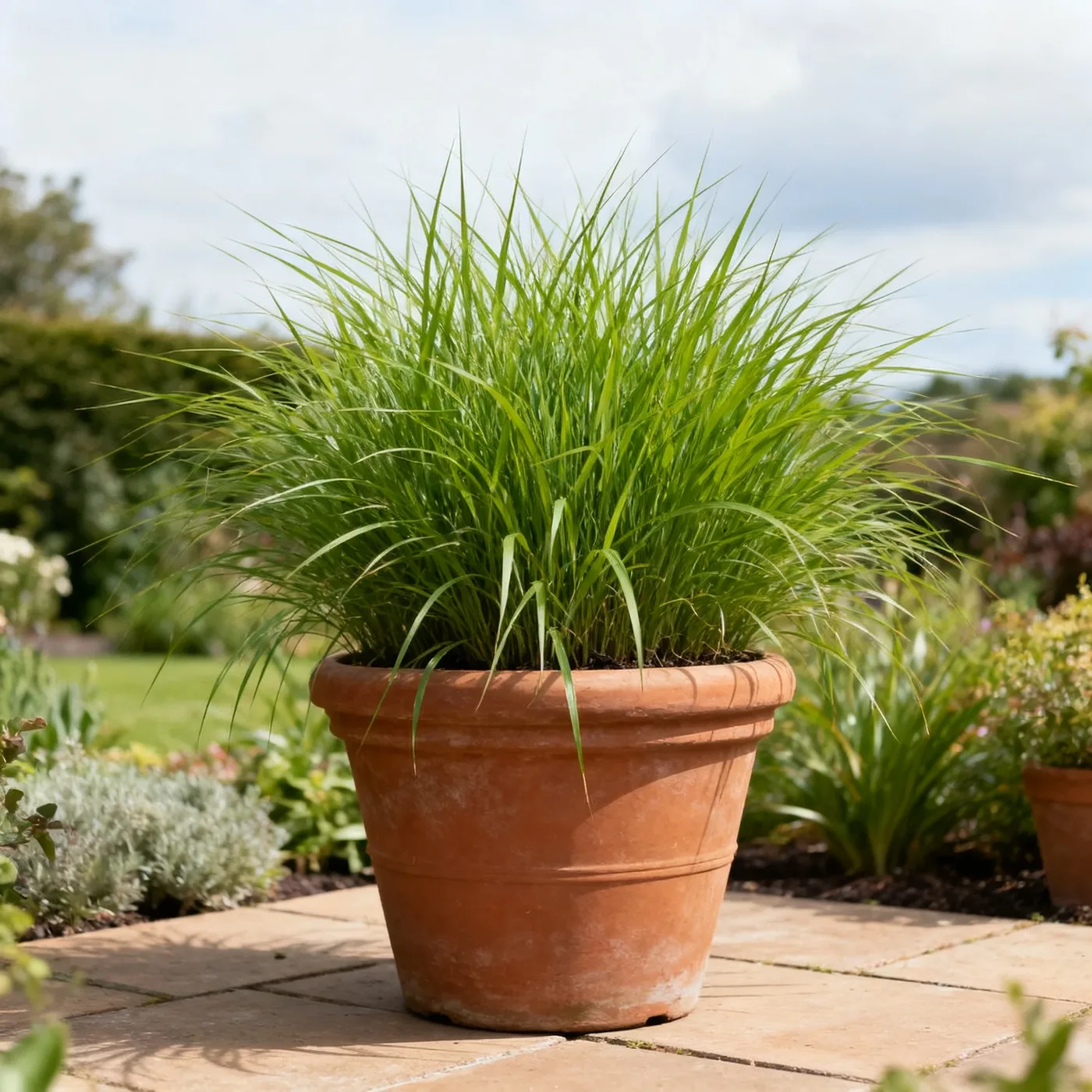
That is the problem this guide solves. Little Kitten Maiden Grass and landscape sedges (Carex) are both sold as small, fine-bladed accent plants, but they ask for near-opposite sites, and the wrong pick costs you a season. Below, you'll find out all about light and moisture for each plant, including a shady swap gone wrong, a watering routine that works, an hour-by-hour sun check, and how to rescue a sedge baking in a sunny border.
Little Kitten Maiden Grass Wants Sun, Sedge Wants Shade
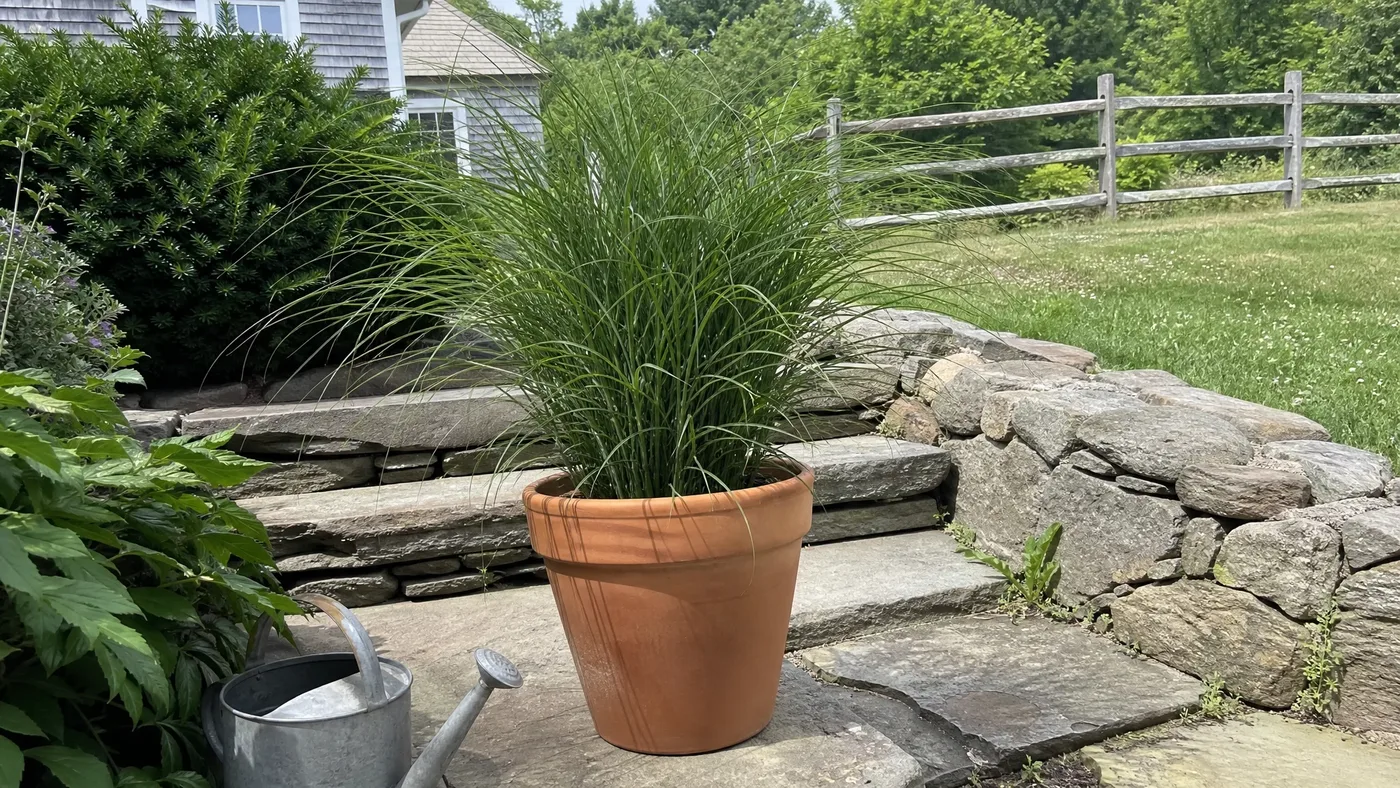
Six hours is the number that sorts these two plants. Maiden grasses need at least six hours of sunlight, and Little Kitten, a clump 3–4 feet tall and about 3 feet wide, puts that light to work. Its silvery-white plumes open in mid to late autumn, and they follow the sun you gave the plant all summer.
Kansas State's ornamental grass trials list Little Kitten under full sun. You will also see it described as full sun to part shade, as the species is. We treat part shade as the outer edge of what it forgives, not a goal. In less light the clump leans, the blades thin out and the plumes come sparse.
Small size does not lower the light bill. The species reaches 4–12 feet, and Little Kitten is a much more compact selection, but the sun demand carries straight over. A compact clump in shade does not turn into a shade plant. It turns into a weak, floppy one.
Sedges run the other way. NC State says Pennsylvania sedge tolerates heavy shade and wet soils, and adds flatly that it does not want full sun. Sedge species differ from one another, so read the tag on the exact one you are buying. Most of the landscape types sold as shade-bed edgers behave much like this one.
Our rule is short. If the spot gets six or more hours of direct sun, plant Little Kitten. If it gets less, buy a sedge and stop shopping for grasses.
Dry Feet Where Sedge Wants Wet Ones
Drainage is the second split, and it matters as much as light. Little Kitten wants ground that sheds water. Rutgers describes the species as preferring dry, sunny sites, and Arkansas extension calls maiden grass extremely drought tolerant once established. We cover that in our drought tolerance guide.
The grass is not fussy about soil type. It takes clay, sand or loam, as long as the water leaves. It forgives poor ground and punishes ground that stays soggy, especially around the crown in winter, when cold and wet together do the most harm. Our soil and drainage guide goes deeper on testing a bed.
Sedges want the reverse. Clemson says to plant Carex oshimensis in soil that is moist and well drained, and that Carex morrowii can tolerate wetter soils. NC State asks the same of New Zealand hair sedge: moist, rich in organic material and well-draining, with some drought tolerance once established. That plant tops out at 1–2 feet tall and wide, far smaller than Little Kitten.
Notice the pattern in those sedge notes. Even the tougher ones want soil that holds moisture, and none of them ask for the lean, quick-drying ground the grass enjoys. Put the two on a map of your yard and the choice makes itself:
- A bed at the foot of a downspout or in a low spot where water lingers after rain suits a sedge, not the grass.
- A south- or west-facing slope with quick-draining soil suits Little Kitten.
- A shaded bed under trees where the soil stays cool and damp suits a sedge.
- Heavy clay that holds water into early summer can host a sedge, but Little Kitten only works there if you plant it high or fix the drainage first.
A Shady Spot That Fools Almost Everyone
Picture a small bed that looks sunny at noon. You plant Little Kitten in mid-spring, water it, and admire it. Then the neighbor's maple leafs out, the house throws its afternoon shadow, and the bed gets maybe three hours of real sun. By midsummer the grass is lanky and leaning, and the bed that was supposed to look tidy looks tired.
We hear this story from customers every year. The mistake is judging a site on the day you plant. Trees fill in, and the sun's angle shifts through the season. The bed that looked bright in April is a different bed in July.
A sulking Little Kitten tells you plainly. The clump opens in the center and flops, the blades look thin rather than full, and autumn brings few plumes or none. The usual reaction is more fertilizer and more water. Neither helps, and extra water makes things worse, as the next section shows.
The fix is to move it. Dig the clump in early spring as new growth starts, and replant it where the sun lands for most of the day. Then put a sedge in the shady bed. You get the small, tidy plant you wanted in that spot, and the grass gets the light it came for. Our sun requirements guide has more on how much shade is too much.
Expect a recovery year. A clump that spent a summer stretching for light will not snap back overnight, but a move into full sun usually shows in the new growth the following season, with a sturdier habit and more plumes the autumn after.
Watering Little Kitten Maiden Grass: Wrong Then Right
A sedge routine applied to Little Kitten does real damage, so it helps to see both versions side by side. Gardeners who water the grass the way they water a shade bed are usually trying to be kind.
The Wrong Way
The wrong routine runs on a calendar. You water a little every day or two, whether or not the soil needs it, and you mulch up tight against the crown so the base stays damp. Shallow, frequent watering keeps the top inch wet and the roots lazy. The crown stays wet, the lower blades yellow and the clump looks weak in a season when it should look full.
The Right Way
The right routine is quieter. In the first season, soak the root zone deeply and then let the soil dry before you water again. Test with a finger pushed in to the knuckle. If it is damp, walk away. Once the plant is established, rainfall carries it through most weeks, and you step in only during a long dry spell.
Keep mulch a few inches back from the crown, and never let water pool around the base. A thin mulch layer across the rest of the bed is fine, since it slows weeds without smothering the clump. Rain-fed beds rarely need a hose after the first year, so look at the plant before you reach for it.
Container plants are the exception, since pots dry faster, and our container guide covers that. For in-ground plants, our watering guide gives the full routine. Plant it, water it in well, then leave it mostly alone.
Testing Light Before Choosing Little Kitten Maiden Grass
Run this check on a clear day before you buy anything, ideally in late spring or summer when the trees have leafed out. Stand at the bed and note whether the spot is in direct sun or shadow at each time below. Direct sun means a shadow with a sharp edge, not the soft gray of a bright but shaded spot.
| Time | What to note |
|---|---|
| 9 a.m. | Is the bed in direct sun, or still behind the house or a tree? |
| 11 a.m. | Mark whether the sun has reached the whole planting area. |
| 1 p.m. | This is usually the brightest reading. Shade here is a bad sign. |
| 3 p.m. | Check for new shadows from fences, walls and trees to the west. |
| 5 p.m. | Late sun counts toward the total if it is still direct. |
Add up the hours of direct sun. Six or more, and Little Kitten is a good bet. Four or five, and you are guessing, so pick a different spot or accept a smaller plume show. Under four, plant a sedge.
Repeat the check at another time of year if you can, because a winter reading overstates the sun a leafy tree will allow in summer. Walk the whole planting area, not just the center. A 3-foot clump needs its edges lit too, and a fence shadow that clips one side will pull the plant toward the light.
Then check the soil. Dig a hole, fill it with water, and see how long it takes to drain. If it is still standing there hours later, the grass will not be happy. That same slow-draining spot may be the perfect home for a sedge.
Sedge Swapped Into a Sunny Border
The swap fails in the other direction too. Put a sedge in a hot, dry border and it starts to brown at the leaf tips, the clump thins in the center, and it needs watering far more often than anything around it. Pennsylvania sedge, again, is described as a plant that does not want full sun, and the fine-leaved types burn fastest when the soil also dries out.
One of the most common questions customers ask us is whether a sedge can handle a south-facing bed if they just water more. It can limp along, but you will be rescuing it all summer. The root zone in a hot bed dries faster than any hose schedule keeps up with, and the plant never looks relaxed.
If a sedge is already in, rescue it in this order:
- Move it in the cooler weather of early spring or early fall, not in a heat wave.
- Replant in the shadiest, coolest part of the garden, with soil that holds some moisture.
- Work organic matter into the planting hole so the soil stays damp and still drains.
- Water it in well and keep the soil evenly moist until it has rooted.
- Fill the sunny gap it leaves with Little Kitten, which suits that light and soil.
Cut back any scorched, brown foliage when you move it, so the plant puts its energy into fresh growth rather than keeping damaged blades. Expect a slow first month in the new spot.
If you wanted a sun-loving partner for other plants, see our guide to other small ornamental grasses. Note that Little Kitten is much taller than a hair sedge, so give it room as the backdrop, not the edging.
Little Kitten Maiden Grass Stays on the Sunny Side
The two plants are not interchangeable, even when the tags both say small accent grass. Little Kitten wants six or more hours of direct sun, ground that drains, and very little water once it has settled in. A sedge wants shade, steady moisture, and soil that stays cool. Match each to its own site and both are easy plants.
So put the grass where the sun hits for hours and the sedge where the ground stays cool and damp, and neither will need rescuing.
Little Kitten Maiden Grass
Nursery-grown Little Kitten Maiden Grass in sizes from 3 Gallon, shipped to your door.
From $69.97
Shop Now →On our farms, Little Kitten gets open sun and ground that sheds water fast, and that is how we judge every clump we send out. As a small grower, we know a wrong-site plant costs you a season, so as a grower-run business we only ship grasses we would plant ourselves. Come and see the plants we have ready.