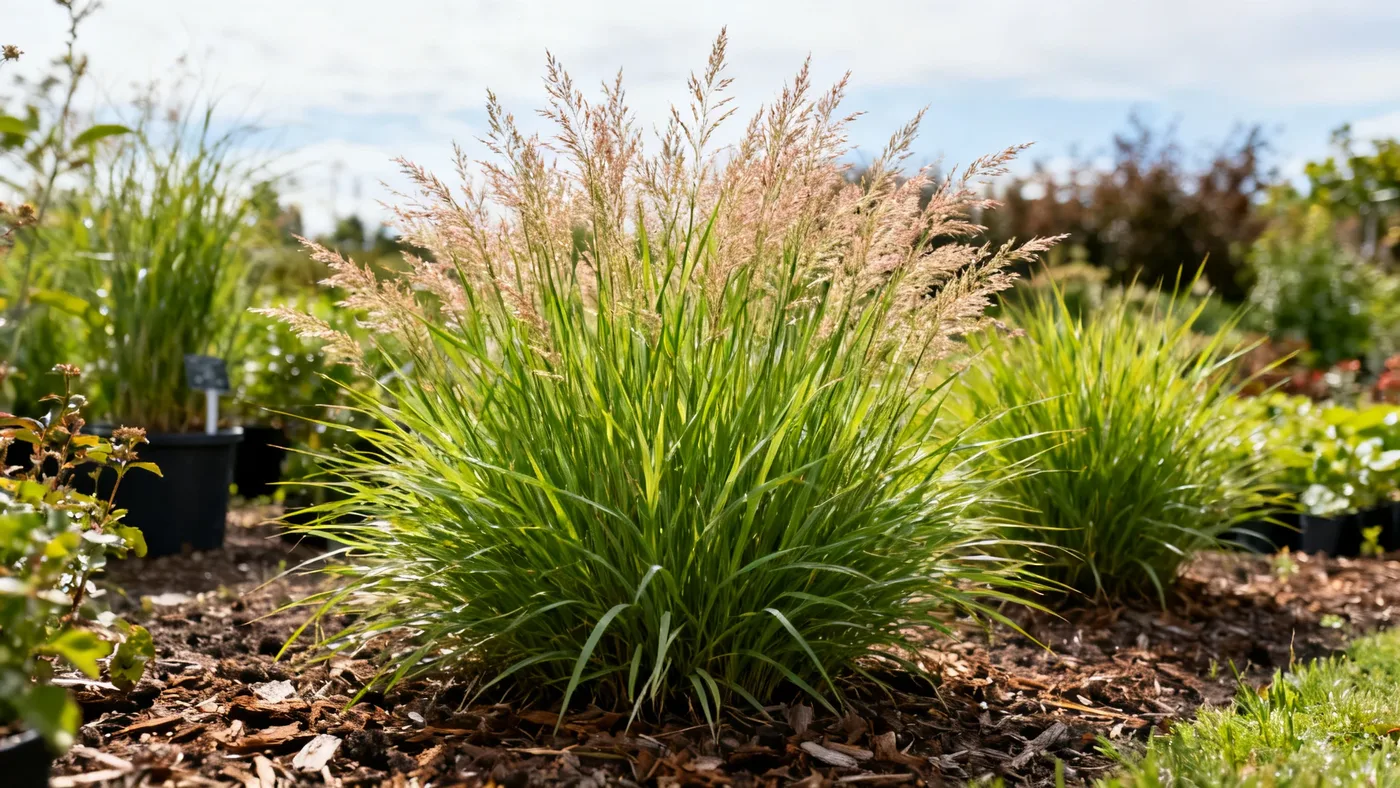
Little Kitten Maiden Grass Care: The Complete Growing Guide
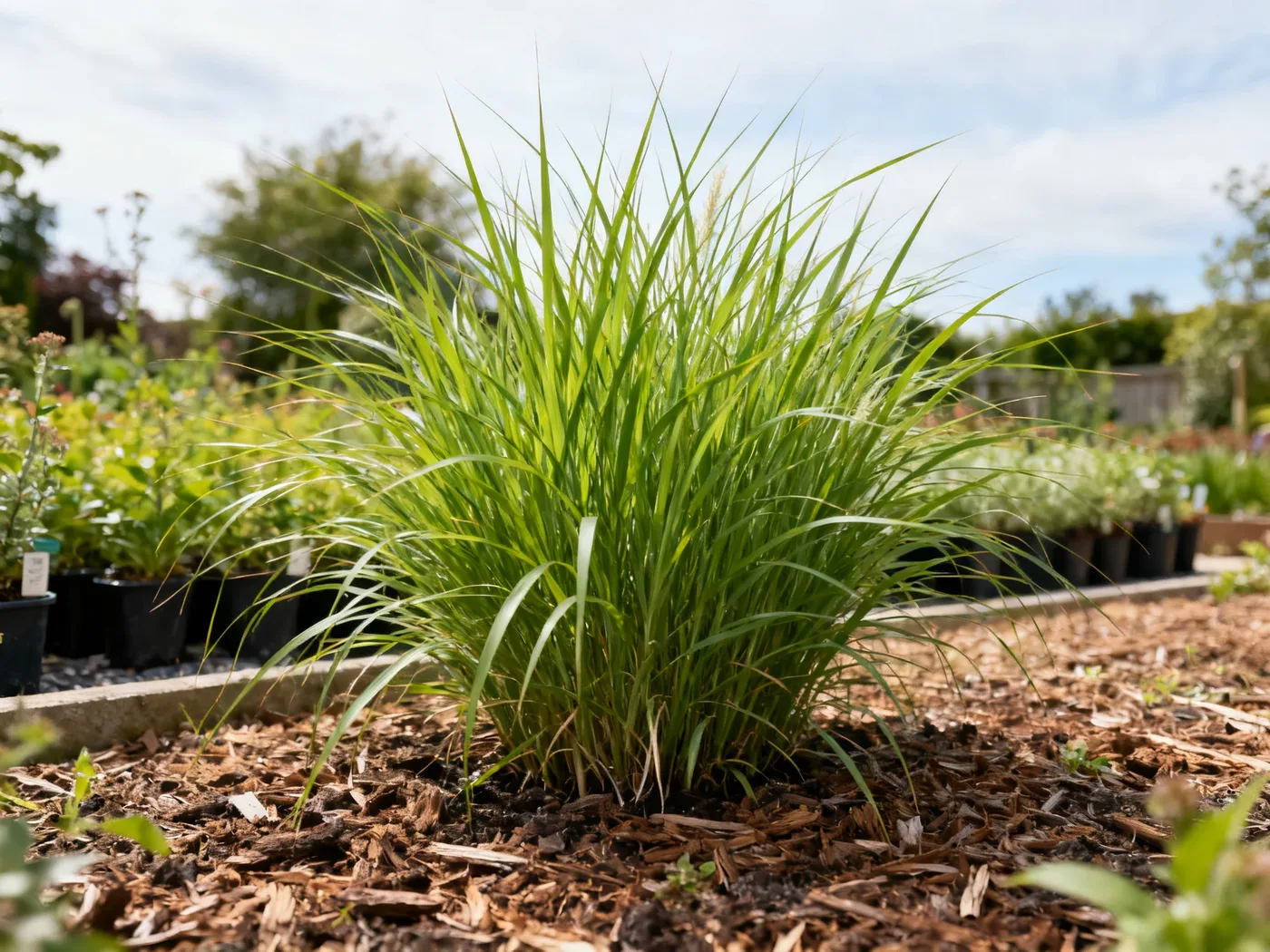
Key Takeaways
- Little Kitten Maiden Grass thrives in USDA zones 5 through 9 and reaches 12 to 18 inches tall with mature spread of 12 to 18 inches
- Full sun produces the best form and flowering; part sun is acceptable but reduces bloom intensity
- Well-drained soil and moderate watering after establishment are critical to avoid crown rot
- Spring planting is preferred; this dwarf cultivar reaches mature size in 2 to 3 growing seasons
- Leave standing through winter for structure and wildlife interest; cut back in late winter before new growth
Table of Contents
- What Is Little Kitten Maiden Grass?
- Hardiness and Climate Zones
- Planting Little Kitten Maiden Grass
- Sunlight and Location Requirements
- Soil Preparation and Amendment
- Watering and Moisture Management
- Fertilizing and Nutrient Care
- Pruning and Seasonal Maintenance
- Common Problems and Solutions
- Winter Care and Dormancy
- Container Growing
- Companion Planting Ideas
What Is Little Kitten Maiden Grass?
Little Kitten Maiden Grass is the common name for Miscanthus sinensis 'Little Kitten', a compact ornamental grass cultivar belonging to the Poaceae family. This dwarf form of the species native to East Asia brings all the visual interest of larger Miscanthus varieties into a footprint suited for smaller gardens, containers, and foundation plantings. Unlike the species Miscanthus sinensis, which can reach 4 to 6 feet tall, 'Little Kitten' maintains a refined, manageable size that makes it approachable for home gardeners who want ornamental grass structure without overwhelming their landscape.
The appeal of little kitten grass growing guide information lies in its fine-textured foliage and spectacular late-season blooms. The narrow green blades form a dense, compact mound throughout the growing season. Come late summer through fall, coppery-pink to reddish flower plumes emerge above the foliage, aging to creamy tan and silver tones that persist well into winter. This succession of color and form makes little kitten miscanthus care a rewarding endeavor for gardeners seeking multi-season interest.
Hardiness and Climate Zones
Little Kitten Maiden Grass performs reliably in USDA hardiness zones 5 through 9, making it suitable for most of the continental United States and compatible with mild temperate climates. Zone 5 gardeners can grow this warm-season grass successfully, though growth may begin later in spring than in warmer zones. Zone 9 gardeners should provide afternoon shade in the hottest regions to prevent stress.
If you live outside zones 5 to 9, check with your local cooperative extension service for specific recommendations. The plant's survival depends on winter minimum temperatures and the duration of your growing season. Spring planting is preferred in all zones to give young plants time to establish before winter dormancy. Fall planting is possible in milder zones (8 and 9) provided the plant receives 8 to 10 weeks of establishment time before the first hard frost, but spring carries less risk.
Planting Little Kitten Maiden Grass
Begin with nursery-grown plants, typically sold in quart, number 1, or number 3 containers. Spring is the ideal planting window because the warm soil and lengthening days trigger active root establishment before summer arrives. Dig a hole slightly wider than the root ball and at the same depth. Avoid planting too deep, which invites crown rot. Backfill with native soil mixed lightly with compost if your soil is heavy clay or severely depleted.
Space plants 12 to 18 inches apart for mass plantings or borders. This spacing allows air circulation and prevents overcrowding as plants mature. Water thoroughly after planting to settle soil around the roots and eliminate air pockets. For the first growing season, check soil moisture regularly and water when the top inch feels dry. Once established in year 2, little kitten maiden grass care becomes substantially less hands-on.
Sunlight and Location Requirements
Plant Little Kitten Maiden Grass in full sun for optimal form, flowering, and density. Full sun means 6 to 8 hours of direct, unobstructed sunlight daily. In these conditions, the foliage remains tight and upright, and flower plumes appear reliably in late summer. Part sun (3 to 6 hours) is tolerated but results in looser, more open growth and reduced flowering. Deep shade produces weak, sparse growth and minimal bloom.
Avoid planting in areas with strong afternoon winds in zone 5, as cold, dry winter winds can stress newly established plants. In zones 8 and 9, afternoon shade during peak summer heat (3 to 6 p.m.) can prevent heat stress without sacrificing bloom. Good air circulation, however, is always beneficial for preventing disease and maintaining upright form.
Soil Preparation and Amendment
Little Kitten Maiden Grass adapts to a range of soil types, from sandy loam to clay, as long as drainage is adequate. Well-drained soil is non-negotiable. Soggy, waterlogged conditions kill the crown, resulting in rot and plant death. If your soil is heavy clay with poor drainage, amend the planting area by mixing in 2 to 3 inches of compost or horticultural sand to improve tilth and percolation.
Soil pH should fall between 6.0 and 7.5 (neutral to slightly acidic). Most garden soils fall within this range naturally. If you know your soil is very acidic (below 6.0) or very alkaline (above 8.0), have it tested by your local extension service and amend accordingly. Miscanthus is forgiving about pH and does not require elaborate adjustments for most home gardeners.
Watering and Moisture Management
Water regularly during the first growing season to establish a deep, resilient root system. Aim for 1 inch of water per week from rain or irrigation. Once established, little kitten grass demonstrates moderate drought tolerance and requires less frequent watering. During the second year and beyond, water during dry spells (more than 2 weeks without rain) but do not saturate the soil.
Avoid overhead watering, which encourages leaf diseases and can topple young plants. Drip irrigation or soaker hoses are ideal. Always water at the base of the plant in the early morning. Never allow water to pool around the crown; excessive moisture in that zone accelerates crown rot. Well-drained soil helps prevent this problem, but your irrigation habits matter equally.
Fertilizing and Nutrient Care
Little Kitten Maiden Grass has modest fertilizer needs. A single light application of balanced, slow-release fertilizer (such as 10-10-10 or equivalent) in spring, applied according to package directions, is typically sufficient. Avoid high-nitrogen fertilizers, which cause lush, floppy growth that flops under its own weight or falls over in rain and wind. Over-fertilization also delays bloom and concentrates the plant's energy into foliage rather than flowers.
If your soil is depleted or your garden site is very poor, work 1 to 2 inches of well-aged compost into the planting bed before planting. This provides slow, steady nutrient release throughout the growing season. Established plants planted in average soil rarely need supplemental fertilizing beyond the spring application.
Pruning and Seasonal Maintenance
Prune Little Kitten Maiden Grass once per year in late winter to early spring, before new growth emerges. Timing varies by region but typically falls between late February and April, depending on your zone and when new shoots begin to push up from the crown. Cut all dried foliage to a height of 2 to 3 inches above the crown using sharp hedge shears, a string trimmer set carefully, or pruning saws if stems are very thick.
Do not cut back in fall or early winter. The dried foliage and seedheads provide winter structure in the landscape, offer shelter for overwintering insects and birds, and protect the crown from harsh frost. Early pruning risks stimulating tender new growth that frost may damage. Leave the plant standing until late winter to maximize these benefits.
Remove any dead or damaged foliage you notice during the growing season, but do not cut back healthy green stems. Once the plant is 2 to 3 years old and reaches mature size, consider dividing it every 3 to 5 years to rejuvenate the clump and propagate new plants. Divide in early spring before growth resumes.
Common Problems and Solutions
Little Kitten Maiden Grass is remarkably problem-free. However, watch for these issues:
| Problem | Cause | Solution |
|---|---|---|
| Crown rot or plant death | Soggy, poorly drained soil or overwatering | Improve drainage by amending soil with compost or sand; reduce watering frequency; replant in a raised bed if necessary |
| Floppy, sprawling growth | Too much shade, excess nitrogen, or crowding | Relocate to sunnier spot if possible; reduce fertilizer; space plants farther apart; thin stems in mid-summer if needed |
| Slow emergence in spring | Normal; warm-season grass delays growth until soil warms | Be patient; plants green up as temperatures rise; do not assume death if neighbors' cool-season grasses are already leafing out |
| Scale or mealybugs (rare) | Plant stress from drought or poor soil | Improve growing conditions; spray infested stems with horticultural oil or insecticidal soap per label directions |
| Rust or fungal spots (uncommon) | High humidity, crowded spacing, poor air circulation | Improve spacing; thin foliage; water at soil level only; remove infected leaves; apply fungicide if severe |
Winter Care and Dormancy
Little Kitten Maiden Grass is fully hardy throughout zones 5 to 9 and requires no winter protection once established. In zone 5, mature plants tolerate temperatures well below freezing. Do not mulch over the crown in winter; this traps moisture and encourages rot. A 1-inch mulch ring around (but not touching) the base of the plant is acceptable in very exposed sites to insulate the soil, but it is not necessary in most gardens.
Expect the foliage to dry to tan and gold as temperatures drop in fall. This dormant, standing plant provides essential winter interest and shelter for wildlife. Leave it in place until late winter. Once you cut it back in spring, the landscape may look bare briefly, but new growth emerges within 3 to 4 weeks of pruning as soil temperature climbs above 60 degrees Fahrenheit.
Container Growing
Little Kitten Maiden Grass is well suited to container culture given its compact mature size of 12 to 18 inches tall and wide. Use a well-draining potting mix (not garden soil) and a container with drainage holes at least 12 inches in diameter. A number 3 nursery container or larger is ideal for mature plants. Water containers more frequently than in-ground plants, as they dry out faster in sun and wind.
In zones 5 to 6, containers may need winter protection. Move them to an unheated garage or shed, or wrap them with burlap to insulate the root zone. In warmer zones, containers can remain outdoors year-round, though you may need to reduce watering in winter. Feed container-grown plants monthly during the growing season with a dilute, balanced fertilizer since container soil depletes nutrients faster than garden soil.
Companion Planting Ideas
Pair Little Kitten Maiden Grass with complementary perennials that bloom at different times. Sedum and Hylotelephium varieties echo the grass's late-season appeal and share similar low-water needs. Black-eyed Susan (Rudbeckia) and coneflower (Echinacea) bloom mid to late summer alongside the grass's emerging plumes, creating a dynamic color story. Ornamental salvias add spiky contrast to the grass's fine texture, while fall asters extend the season's color palette into October.
Avoid pairing with aggressive spreading plants or very tall perennials that shade the grass. Little Kitten Maiden Grass reaches only 12 to 18 inches, so combine it with plants of similar or shorter stature to keep proportions harmonious. Use it as an edging plant in borders, as a specimen in rock gardens, or massed in groups of 3 to 5 for bold textural impact.
Quick Reference Checklist
| Care Task | Timing | Notes |
|---|---|---|
| Plant | Spring preferred; fall possible in zones 8-9 | Space 12-18 inches apart; full sun to part sun |
| Water | Weekly first season; as needed after establishment | 1 inch per week; reduce frequency once established |
| Fertilize | Spring, once per year | Light application of balanced, slow-release formula |
| Prune | Late winter to early spring (Feb-Apr) | Cut to 2-3 inches above crown; never cut in fall |
| Divide | Early spring, every 3-5 years if desired | Rejuvenates clump; propagates new plants |
| Expect blooms | Late summer into fall (Aug-Oct) | Typically by year 2; plumes copper-pink aging to tan-silver |